Blog · Takes
Takes, page 3 of 4
Points of view from the Lily AI team on where retail discovery is going and what actually moves revenue.
 Takes
TakesPutting ChatGPT to the Synonym Test
Large language models have earned admiration for their ability to generate human-like text, but they are not standalone solutions. We put ChatGPT to the test on product synonyms.
 Takes
TakesThe Retailer’s Dilemma: Build Vs. Buy AI
Retail CIOs and CTOs can build AI in-house, buy off-the-shelf software, or partner with vertical AI specialists. Here is the case for augmenting your existing technology investments.
 Takes
TakesHow Vertical AI Transforms the Retail Value Chain
Vertical AI, purpose-built for retail, is revolutionizing every aspect of the retail value chain. See how the language of the consumer transforms make, market, and sell.
 Takes
TakesDon’t Let Q3 Code Freeze Hurt Your Chances for a Strong Q4 Holiday
The Q4 holiday rush is coming. Purpose-built vertical AI platforms let retailers still make Q3 investments that lift customer experience and operational efficiency.
 Takes
TakesHow Vertical AI is Fueling the Next Wave of Retail Growth and Innovation
AI is driving a revolutionary transformation in retail marketing, merchandising, and operations — and purpose-built vertical AI is playing a pivotal role in reshaping the industry’s future.
 Takes
TakesHow AI Is Revolutionizing Retail
Retail has an unquenchable thirst for innovation, and AI leads the pack. Why the next wave will come from vertical AI purpose-built for retail rather than horizontal AI.
 Takes
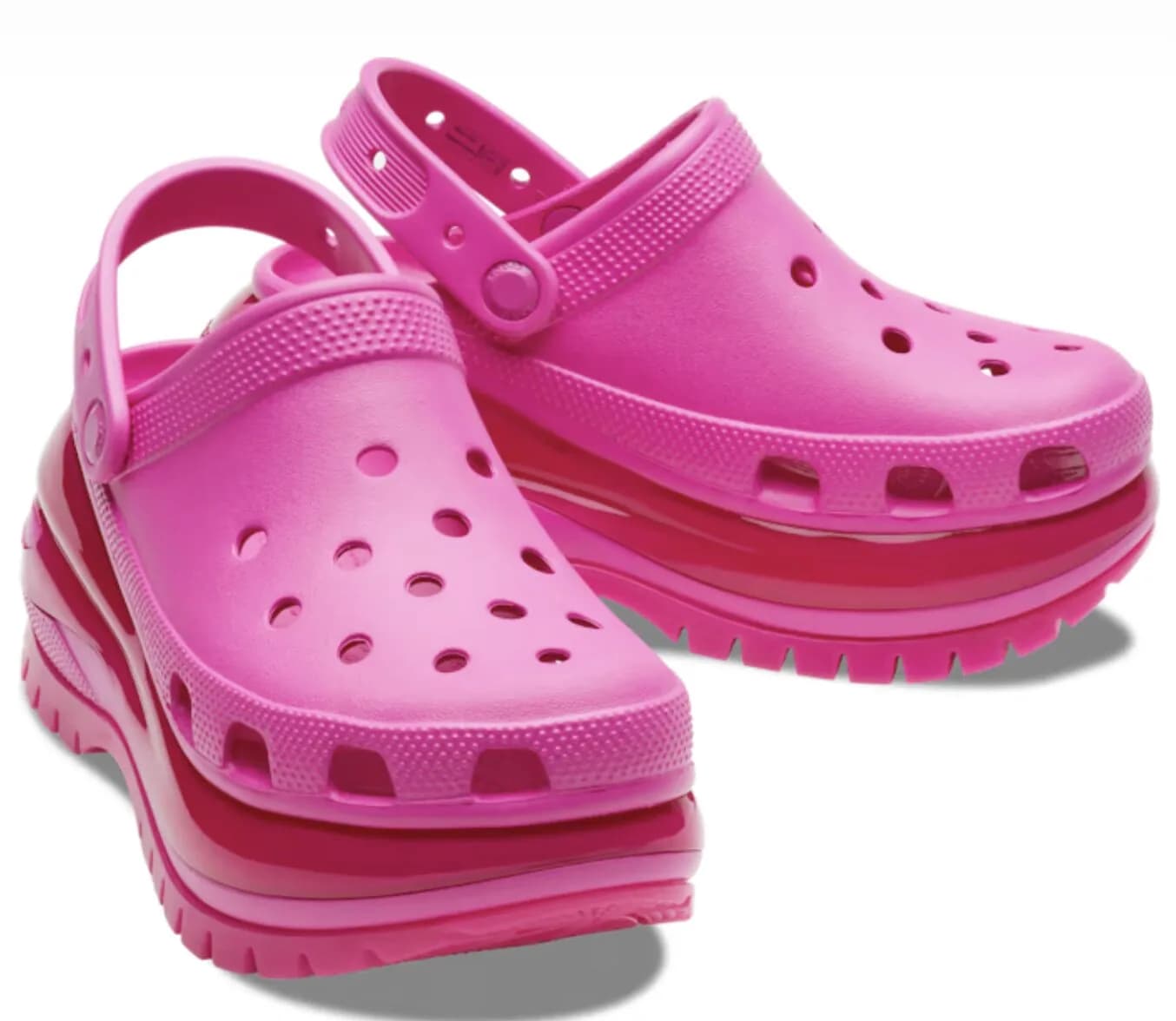
TakesMacro Trend: Comfort
Since 2000, few retail macro trends have been as pivotal as athleisure. Its seeds have blossomed into a whole new fashionably acceptable aesthetic: embracing comfort.
 Takes
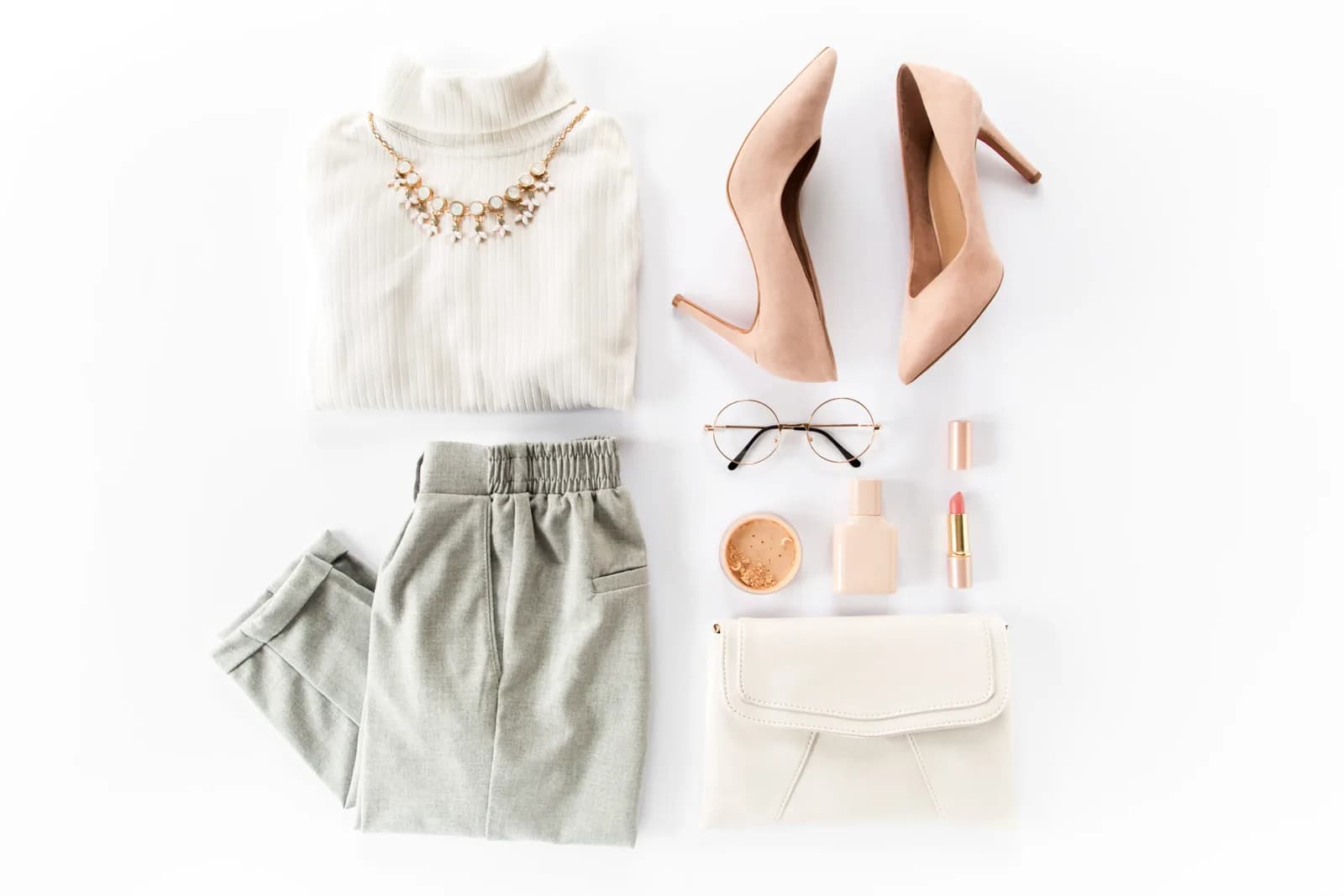
TakesQuiet Luxury Part Deux
Quiet luxury, or “stealth wealth,” means understated design, subtle branding, and a focus on quality. A look at aspirational versus achievable quiet luxury.
 Takes
TakesThe Rise of Quiet Luxury
The fashion industry has witnessed a trend toward quiet luxury: the discreet yet luxurious clothing of high-end brands, which exudes understated sophistication and refinement.
 Takes
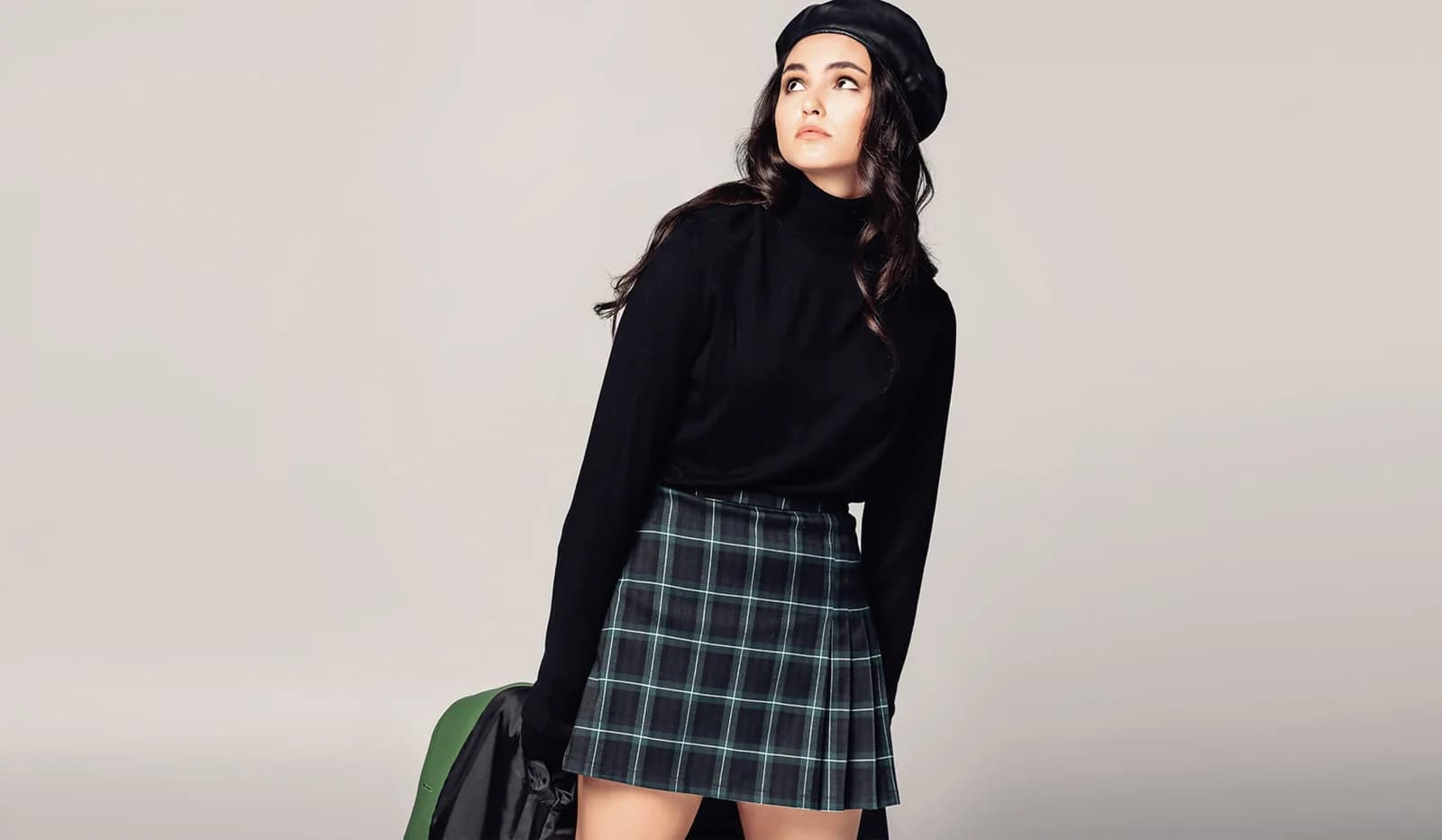
TakesLily AI’s Fashion Product Taxonomy: What is Dark Academia?
Dark Academia, the popular TikTok aesthetic, is one of the darkest trends in fashion: classic, minimalist, and edgy. What defines the look, and the product attributes that capture it.
 Takes
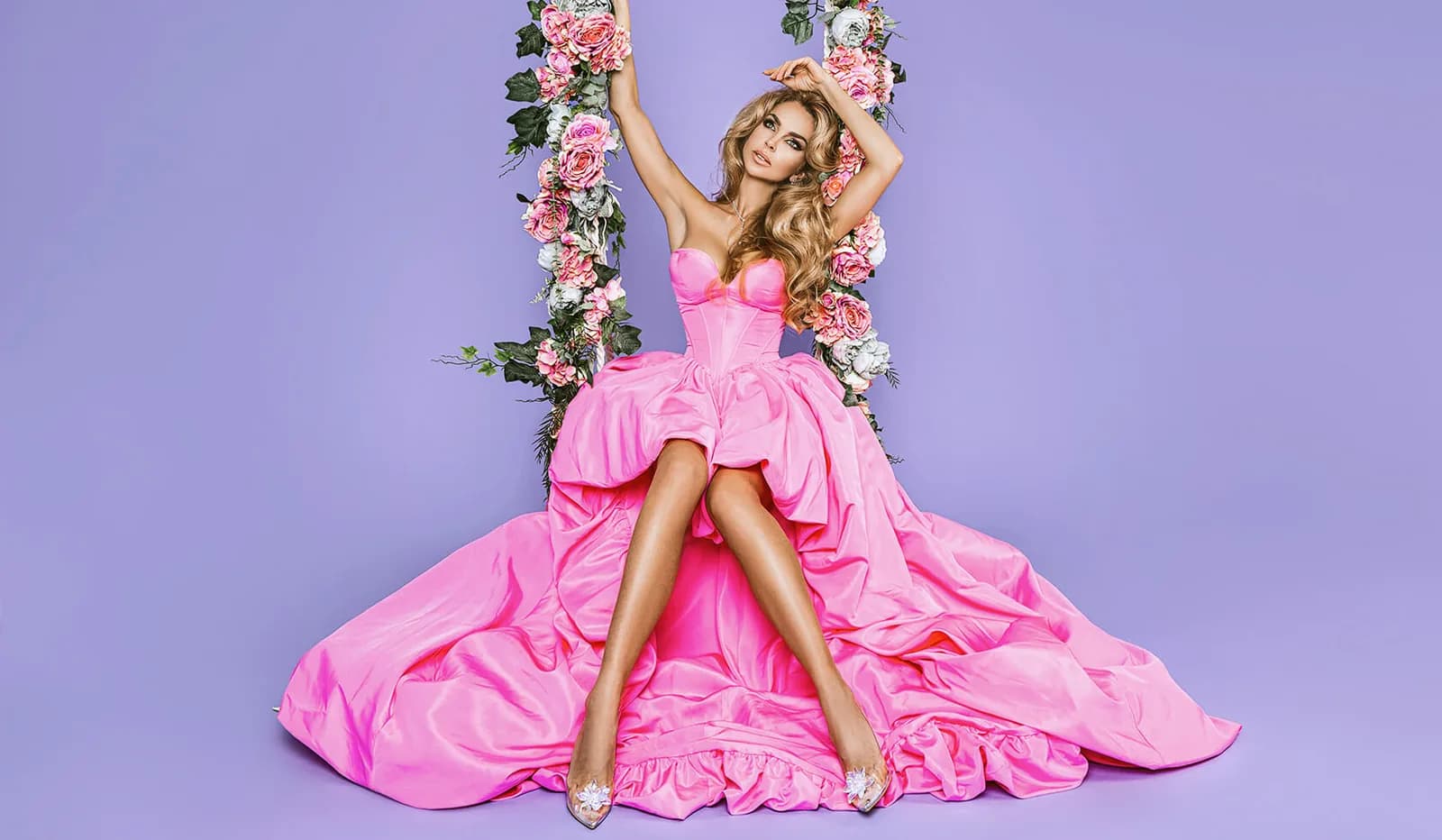
TakesLily AI’s Fashion Product Taxonomy: What is Barbiecore?
With pops of bright pink and bold fuchsia, Barbiecore is one of the hottest trends in fashion. Inspired by the upcoming live-action Barbie movie, it's time to think (hot) pink.
 Takes
TakesLooking for More Zero-Party Data? You Probably Already Have It
Zero-party data, what a customer intentionally and proactively shares with a brand, has emerged as strategically important. Your site search queries are already a rich source of it.
 Takes
TakesTrend Identification and the Top Fall & Winter 2022 Trends
Trend identification is a key part of every fashion, beauty, and home retailer’s journey. A look at how the trend cycle works, plus the top fall and winter 2022 trends.
 Takes
TakesThe Top Home Decor Styles
Shopping for a home is a personal act, and one shoppers take very seriously. There are plenty of home decor styles to choose from, so let's look at some of the top ones.
 Takes
TakesHow to Capitalize on Shoppers’ Search Diversity
Every consumer has their own long-tail way to describe what they are looking for, yet this search diversity is barely acknowledged on a high percentage of e-commerce retail sites.
 Takes
TakesProduct Discovery in the Influencer Age: How to Capitalize on Social Media Fads
Influencer culture puts a heavy focus on Gen Z, whose buying power tops $140 billion. To capitalize on fast-moving social media fads, retailers must strengthen product discovery.
 Takes
TakesThe Connection Between Fashion Merchandising and Product Attribution Data
From the start of the runway to the finale on the shelf or search bar, fashion merchandising is a complex, interwoven system. Better item set-up with customer-centric AI helps.
 Takes
TakesThe Importance of Empathy in Fashion Product Attribution
Shopping for a new outfit has not always been an experience that drives empathy. Finding an item that actually makes a shopper feel good can make all the difference.
 Takes
TakesRevolutionizing Retail with AI and Product Attribution Data
Retail’s transformation to digital is a revolution worth talking about. Here is how the industry has changed, particularly with the help of AI and product attribution data.
 Takes
TakesFashion Product Attribution and the Top 3 Style Trends for Summer 2022
New season, new style trends. Lily AI's in-house team of domain experts share their takeaways on three core women's apparel style trends for summer 2022.
 Takes
TakesBringing AI Science to the Art of Merchandising with Product Attribution Data
Merchandising is both an art and a science, and there’s nothing to fear from the fusion of the two: together they help retailers boost revenue and move inventory faster.
 Takes
TakesIt’s Not Product Attribution Data OR Search – It’s Both
Search is central to e-commerce, but swapping search vendors solves only half the problem. Without a robust product attribution taxonomy, it’s a costly cart with no horse.
 Takes
TakesThe Cascading Challenge of Legacy, Out-of-the-Box Product Attributes
“It’s the way we’ve always done it” is commerce’s most common excuse. Legacy, out-of-the-box product attributes start a cascading series of problems at item set-up.
 Takes
TakesTrend Identification: How Does it Build Customer Confidence?
Lily AI's domain experts understand trend cycles and where to find the latest directions in fashion, home, and beauty. Here's what trend identification is and the role it plays.