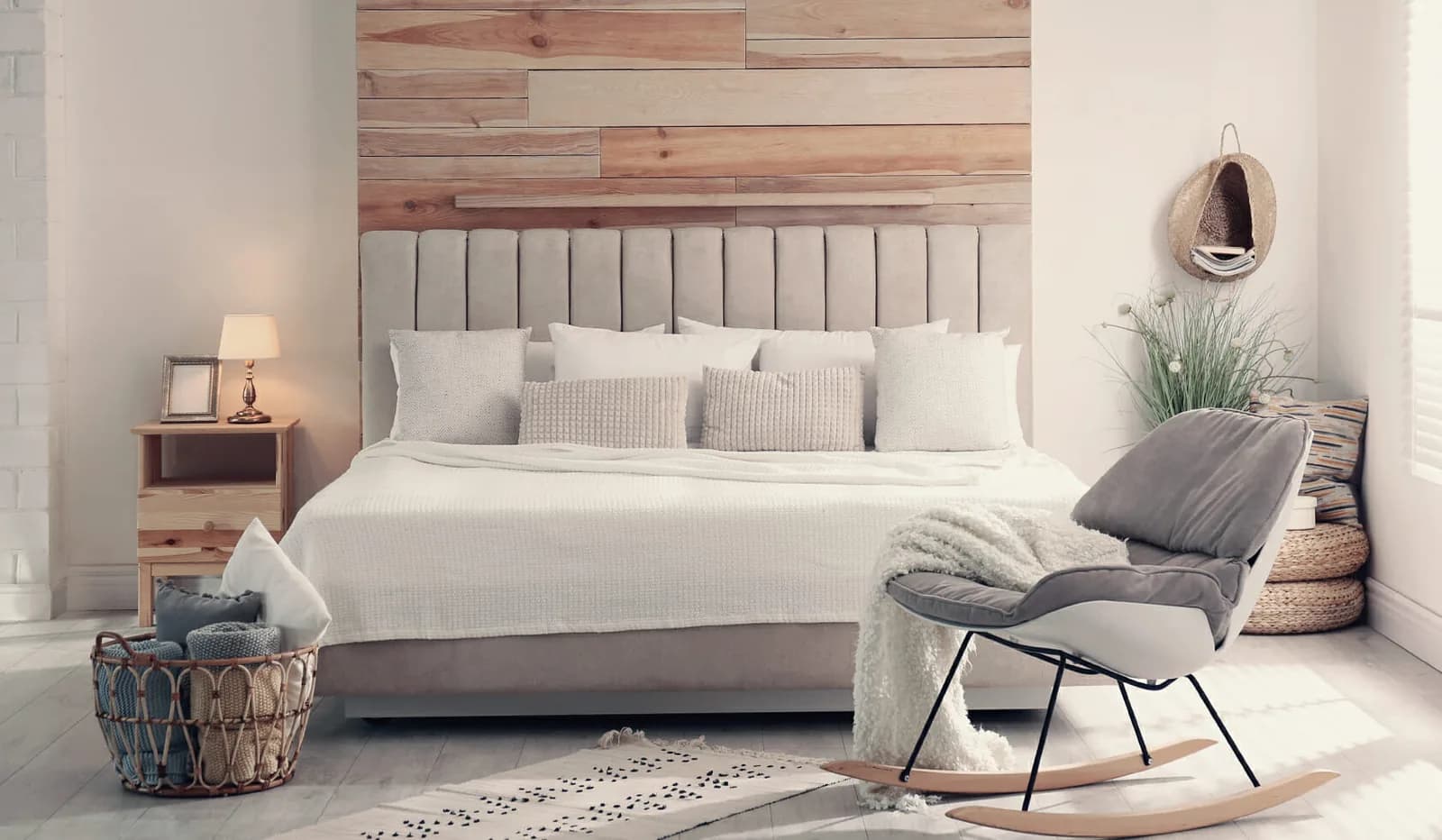
Whether a shopper is moving into their first solo apartment, furnishing their college dorm, or decorating their first home from room to room, the act of shopping for a home is a personal act – and one that shoppers take very seriously.
When you purchase items for a home, this decor sticks around for good – and there are plenty of home decor styles for shoppers to choose from. Let’s take a look at some of the top home decor styles.
The Top 15 Home Decor Styles
Although we’re going to focus on just a few of the top home decor styles, here are 15 of the top home styles:
- Art Deco
- Asian Zen
- Bohemian
- Coastal
- Contemporary
- French Country
- Hollywood Glam
- Industrial
- Maximalism
- Mid-Century Modern
- Minimalist
- Rustic
- Scandinavian
- Shabby Chic
- Traditional
Home Decor Focus: Contemporary
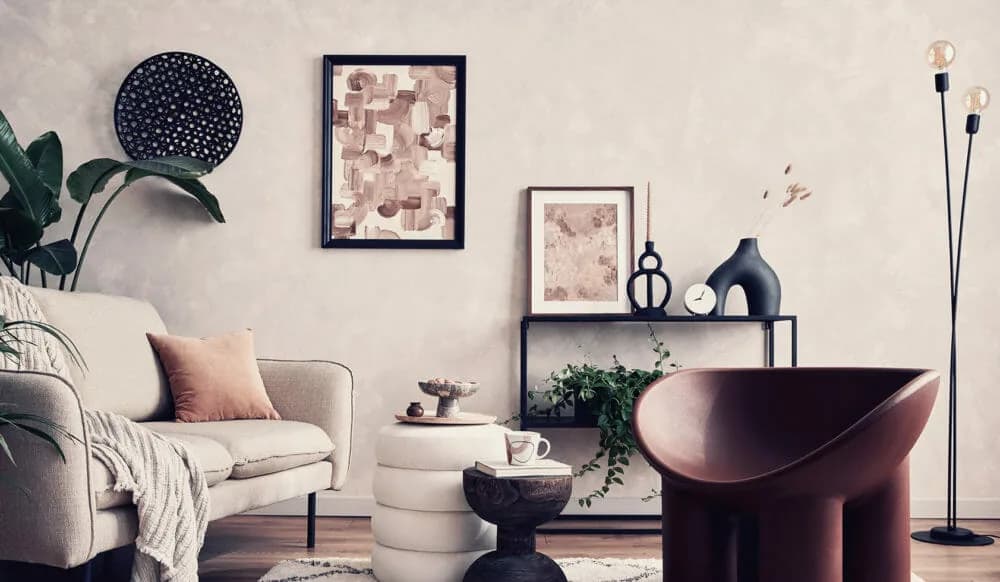
Fundamentally, a contemporary style of decorating is defined by simplicity, subtle sophistication, the deliberate use of texture, and clean lines. Contemporary interiors also tend to showcase space, rather than highlighting things within the space.
The contemporary style became popular in the 1970s and was originally a blend of styles before it became recognizable on its own. Contemporary design initially borrowed elements from both modernism and postmodernism and it also gathered ideas from many other styles such as art deco, futurism, and more.
The one thing to know about contemporary style is that it’s always changing. As each decade passes, the decor trends of the day will always be considered contemporary. It is not necessarily tied to a specific period of time in the same way that the modern style is. Instead, it is an ever-evolving style that reflects what is happening today.
Key Attributes:
- A focus on color, space, and shape. Contemporary interiors are sleek, calming, serene, clean, polished, and fresh.
- Trendy statement pieces that are aesthetically pleasing AND are multi-purpose.
- Architectural elements, decorative details, and attention to bold scales.
Home Decor Focus: Traditional
With traditional home styles, symmetrical arrangements and refined elegance characterize the core furnishings and decor. Almost everything comes in a pair, such as sofas, chairs, nightstands, lamps, and accessories work to create balance around a focal point in the room.
The traditional home style is inspired by 18th and 19th century European decor, incorporating classic art, antiques, and pieces with history. Cabriole legs, curved lines in arm chairs, and tufted upholstery are some common regal influences.
The color palette in many traditional spaces is defined by dark, rich tones. Heavy, wooden furniture and luxe, warm jewel-toned textiles and decor are the statement-making pieces that pop against a usually neutral colored room.
Key Attributes:
- Timeless and classic designs in patterns and art.
- Craftsmanship in furniture and textiles are highly sought-after. These pieces are meant to last.
- It’s all in the details. Dinnerware is usually white/cream lightly trimmed in silver or gold or accented with classic shapes along the rim.
- Less ornate classic silhouettes can create a more modern look.
Home Decor Focus: Rustic
Rustic home decor originated from early settlers in the 19th century who were establishing homesteads. Pioneers traveled with little to no furniture due to weight and space, so they built their own with materials found locally. Rustic style has influenced several home styles over the years including Tuscan, Farmhouse, Coastal, and Cottage.
Typically, rustic interior design is warm and inviting. This style focuses on highlighting the raw elements of nature. It also brings the outdoors in with lots of wood, stone, botanicals, and other organic elements in their natural state. The knots in wood and rust in metal are celebrated for their character, making each piece in the space unique.
This home style loves a neutral color palette. However, to avoid an interior feeling cold and stark, warmth is added with earthy tones and comfortable textiles.
Key Attributes:
- Designs that are natural, rough, aged, and casual.
- Embraces texture commonly found in braided rugs, woven fabrics and baskets.
- Interiors can be decorated in a variation of aesthetics including country-life, mountain-life, or cabin and lodge settings.
- Graphics, patterns, and art are inspired by nature and animals.
Home Product Attribution with Lily AI
Lily AI’s team of domain experts not only have advanced knowledge into the top home decor styles, but they also have the ability to quickly understand which home product attributes are actually moving merchandise from store through the front door. We work with home retail industry leaders to ensure that thelanguage of their customers informs and enhances every point in their retail stack.
Our team of domain experts are not only committed to researching short-term and long-term trends, they also identify the relevant tags that embody each of the many home styles. They then collaborate with the AI-powered automation side to pull and highlight the specific attributes that resonate with each trend.
Lily AI’s team of domain experts bring their hands-on experience and expertise to help build and develop ourtaxonomy, essentially guiding our automation to “think and behave like a stylist” for your home – your own personal interior designer. Our experts work to make sure the taxonomy remains current and fresh so home retailers can stay on top of trend identification with in-depth research and the continuous development of product attributes across all the top home styles.

See Lily in action
Book a personalized demo and see how Lily can grow your retail revenue.
Related Blogs
Google just told the market AI content isn't the moat. Structured product data is.
Google's official guide on optimizing for AI search quietly dismissed the llms.txt-and-content-variants playbook a whole vendor category was built on. For retailers, the moat isn't AI-optimized content. It's structured, machine-readable product data.
By Purva Gupta
Brands are paying for bad product data twice now
Adobe says 34% of retail product pages can't be properly read by AI, even as the AI channel converts 42% better. The cost of thin product data used to be invisible. Answer engines just made it impossible to ignore.
By Purva Gupta
From Y3K to Indie Sleaze: Brat Summer’s 4 Key Fashion Trends
Charli XCX’s brat is a critical and commercial hit, and social media has run with it. Several of today’s hottest fashion trends now fall squarely into the brat summer aesthetic.
By Lily AI
2024 Trends: Macro vs. Micro
Today’s trend cycles come and go faster than ever. We examine three hot micro-trends and their macro-trend counterparts across fashion, beauty, and home.
By Lily AI
Quiet Luxury Part Deux
Quiet luxury, or “stealth wealth,” means understated design, subtle branding, and a focus on quality. A look at aspirational versus achievable quiet luxury.
By Lily AI
The Rise of Quiet Luxury
The fashion industry has witnessed a trend toward quiet luxury: the discreet yet luxurious clothing of high-end brands, which exudes understated sophistication and refinement.
By Lily AI